
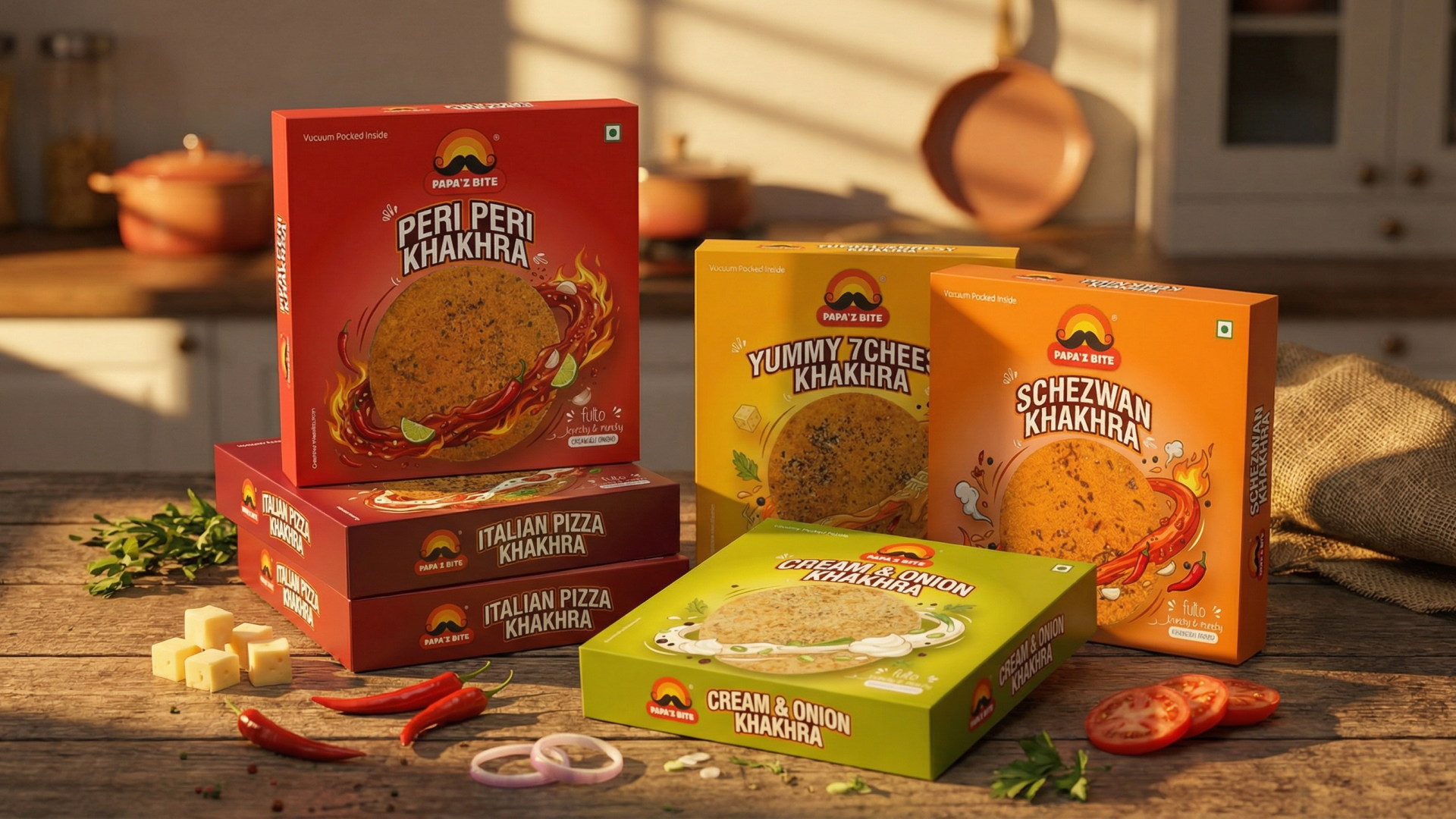
In the modern hyper competitive market, it is no longer constructed at the shelf but on screens. The brands have to be able to convey value, quality, and personality in milliseconds. That is exactly why,branding in 3D design has ceased to be a high price gimmick to a standard of the industry. Be it the introduction of a consumer product, the revival of an established brand, or growing a startup, the idea that now three-dimensional design must be a part of your branding and packaging approach is not a suggestion, it is a necessity.
The 3D design of brands will be used in digital commerce as it requires depth, realism, and interactivity that cannot be achieved with traditional flat design that represents products created by photorealism but actually requires manufacturing of a single physical item before it is released by the company. In the luxury cosmetics industry and technology devices, brands in all industries are adopting three-dimensional images to enhance their image and consumer confidence.
This shift has been exponential with the emergence of e-commerce, social media advertisement, and augmented reality. Consumers now want to see something that is highly immersive and has a tactile feel - the 3D rendering of products marketing provides precisely that.
Hyper-Realistic Visualization of Products:
Brands are betting on ultra-high-resolution 3D renders imitating real-life substances: glass, matte paint, metallic foils, textured surfaces, and so on with breathtaking precision. This method differs from product listing, digital advertisements, and packaging mockups with a studio photography that is sometimes a tenth of the price.
Animated 3D logos, rotating product mockups and looping product reveals are filling the social media feeds. The scroll-stopping content, which the static imagery is incapable of depicting, is branded using motion graphics which are based on the 3D design. The brands are using these assets on Instagram Reels, Tik Tok, and YouTube pre-rolls to get a greater engagement rate.
AR Packaging:
AR-based packaging enables the customer to scan a company product with his/her smartphone and see a piece of interactive content in 3D - a brand story, a tutorial on how it works, or even a complete 3D animation. This is especially high in the food, beverage, and beauty industries where the experience-based marketing introduces the perceived value.
Sustainable Packaging Visualization:
With sustainability becoming a brand pillar, 3D product marketing enables companies to conceptualize environmentally friendly packaging, such as recyclable structures, plant-based materials, and designs with minimal waste, without having to incur the expensive physical prototyping. This shortens the design-to-market schedule without compromising
environmental policy.
Digital-First Branding & Metaverse:
Brands that are future-oriented are developing full-fledged 3D brand worlds on Web3 and metaverse platforms. The new brand touchpoints include virtual storefronts, digital packaging, brand assets associated with NFTs, and all of that created with the help of advanced 3D design workflows.
Affordability and No Compromise on Quality:
The use of traditional product photography involves physical samples, studio rentals, professional photographers, and post-production editing that are absent with 3D rendering used in the marketing of products. When a 3D asset has been developed, it can be customized to suit all angles, color options, backgrounds, as well as campaign requirements indefinitely.
Faster Time-to-Market:
Product launches do not even have to wait till the physical sample is produced. By using 3D in branding, the marketing departments are able to start production of campaign materials, retailer display and electronic advertisements as soon as a design idea is given the green light. This flexibility provides an important competitive edge in the markets of fast moving consumer goods.
Uniformity in All Channels:
The consistency of the brand on the digital and physical touchpoints is very crucial in brand equity, 3D design will make sure that the product does not appear any different on the web, a billboard, a social media feed or in an e-commerce marketplace. This consistency strengthens brand identification and generates consumer trust.
Increased Consumer Interaction.
Research has continually indicated that 3D and interaction product images cause significantly alleviated engagement and conversion rates than conventional photography. Shoppers experience less hesitation in making purchases and more confidence when they are able to virtually rotate, zoom and explore a product.
Infinite Creative Compromising:
The 3D design enables brand teams to experiment with the packaging design, the color scheme, finishes on the material, and structural changes in a 3-dimensional virtual environment. This latitude to fast iteration generates superior end result designs and saves on rework which would cost more at the manufacturing process.
Product Marketing 3D Rendering in the real world.
Product marketing 3D rendering has emerged as the support of up-to-date go-to-market strategies. The following is its application by major brands in the marketing funnel:
E-Commerce Listings:
The product renders in high-resolution and 360-degree in sites such as Amazon, Shopify, and direct-to-consumer sites lower the rate of returns and the average order value.
Retail Sell-In Decks:
Photorealistic 3D packaging images are employed by brands during the presentation of buyers to ensure that they have a shelf position prior to their manufacture.
Digital Advertising:
Paid social and programmatic advertisements with 3D product animations are superior to a plain creative in measures of click-through and conversion.
Influencer & PR Kits:
Online opening experiences and 3-dimensionalized press releases assist brands to create pre-launch hype.
Trade Show & Event Materials:
Big-screen 3D illustrations and immersive visual experiences build effective brand experiences in trade shows and retail activations.
The collaboration with the correct 3D design company in the USA is also one of the most effective choices which a brand can make. The US market has a wide variety of capabilities in a varied ecosystem of specialized studios such as boutique creative agencies, full-service production houses.
In comparing a 3D design agency in USA, brand teams are supposed to seek a proven expertise in the following areas:
Top 3D design firms in the US are characterized by technical expertise in computer programs such as Cinema 4D, Blender, KeyShot and Autodesk and a solid knowledge base of brand strategy, consumer behavior, and retail dynamics. This two-fold capability guarantees the fact that the visual product is, in addition to being beautiful, commercial in that it works.
Whether you are a Fortune 500 brand looking to a full-service partner or an up and coming brand looking at scalable 3D rendering services, the US agency environment has what you need in every phase of development.
The Future of 3D Design in Branding.
The direction of 3D design branding takes is certainly in more individualized, interactive and integration of cross-reality. The pace of development of artificial intelligence is also increasing the process of creating 3D assets, allowing agencies to generate more and more customized images within a shorter period of time.
Video game development engines Real-time 3D rendering engines are now being utilized by brand and packaging designers as interactive product configurators, virtual try-on, and live-rendered campaign content. These features are bridging the gap between fantasy and action - giving brands the ability to realize their boldest creative speculations with new speed and fidelity both to touch and hold.
Brands investing in the creation of strong 3D asset libraries today will be in a huge position since immersive commerce, spatial computing, and AI-based personalization will transform the consumer experience in the next ten years.
The 3D design is no longer a point of differentiation, but it is a minimum requirement of a brand willing to compete at the highest level. The advantages of branding with 3D are far-reaching: there is less expenditure on production, shortening the duration, high visual consistency, and an increase in consumer interest, which is measurable.
Having used the three-dimensional rendering as a marketing tool of its products in the international e-commerce platforms and having signed an agreement with one of the top 3D design firms in the USA, the strategic importance of the three-dimensional design is still growing. The brands that fully adopt this new evolution, in terms of packaging, advertising, digital commerce and in new brand surroundings will be in the best position to create sustained relevance and loyalty in the world that is becoming more visual.
