
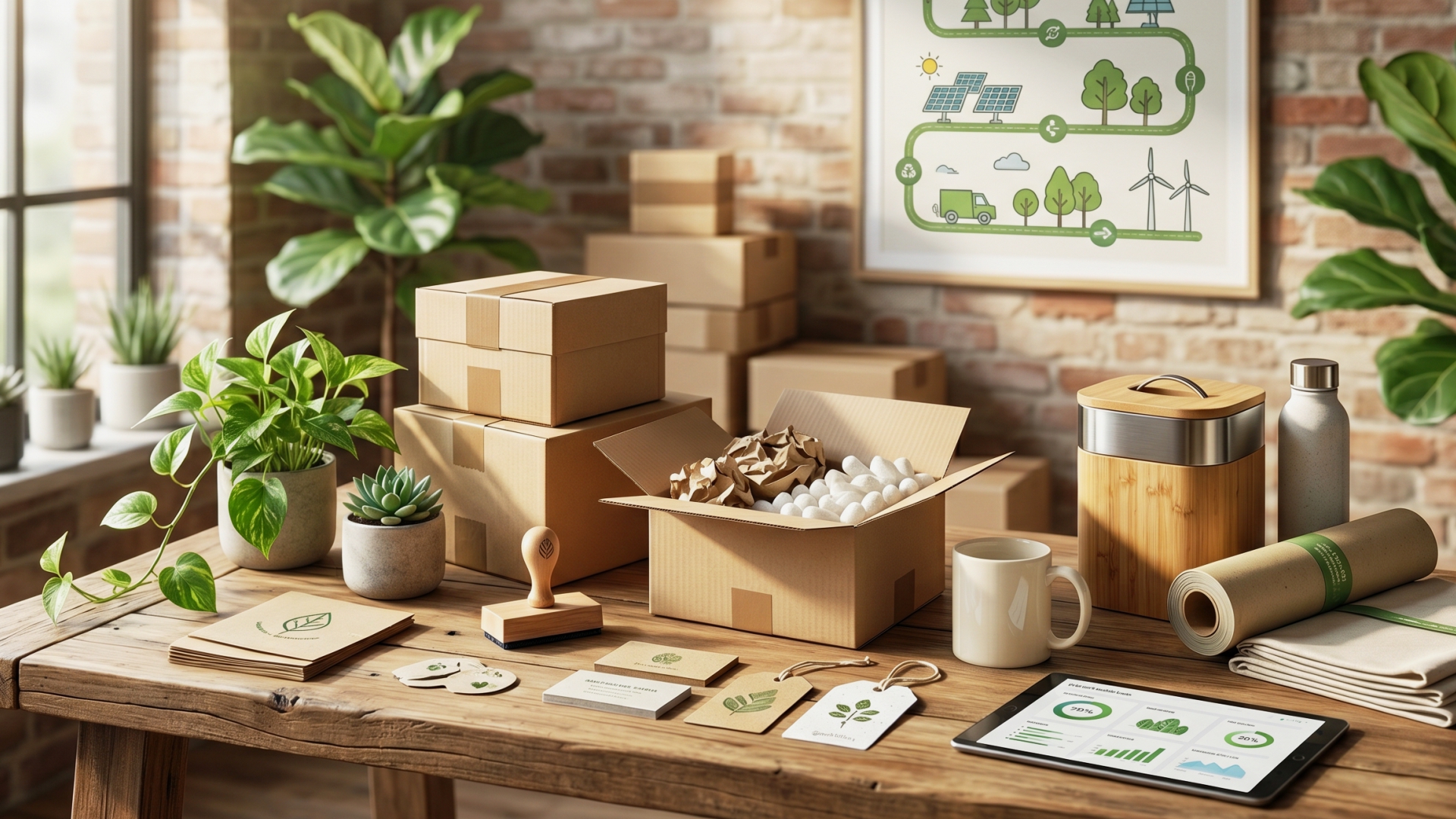
Here are 15 Eco-Friendly Packaging Ideas for Small Businesses (That Actually Work).
https://in.pinterest.com/Asensebranding/asense-branding/
Let's be honest. A customer opens your package when your product arrives, and they are not only opening a box, they're opening your heart. They're making their judgment on you, what you represent, and whether they’ll return. But before anyone even considers the product they're buying, they're increasingly asking a single question – "Is this brand doing well for the planet?"
The thing is sustainable packaging is not a "nice to have" anymore. It's a business decision. A smart one. Recent market data indicates that the eco-friendly packaging industry is worth more than $260 billion as of 2025 and is expected to rise almost 7% each year. Consumers are paying brands for their green efforts. It's not only a way to be environmentally responsible, it's a real competitive edge for small businesses.
Where is the starting point, though? There is no need to make a whole lot of changes and modifications all at once. All you need are the right ideas. Below are 15 ideas for eco-friendly packaging that you can implement and that look awesome and are trendy.
This is the most basic step that you can take. Recycled kraft paper is sturdy, eco-friendly and appealing to the customer with its earthy, warm look. Wrap products, line boxes or replace the entire amount of bubble wrap. It's "we care" but not shouting it.
Corrugated cardboard is one of the most recycled packaging materials in recent years, with a recycling rate of more than 71%. Search for boxes that have 80-100% recycled material. They are durable, inexpensive and are readily accepted in curbside recycling schemes. Your customers are already familiar with what to do with them.
Compostable mailers are a game-changer for those shipping clothing, accessories, candles, and skin care products. They can be made from starch from corn or plant-based polymers, and they decompose harmlessly in months, not decades. These leave behind no harmful residue as opposed to normal plastic poly mailers. Bonus: They are clean and minimal, great for photos of their unboxing content.
Currently, one of the most interesting sustainable packaging materials is mycelium, the root system of mushrooms. Can be produced in custom shapes for replacing styrofoam insert and hard plastic moulding. It is 100% compostable, surprisingly strong, and incredibly on-brand for those with an eco-savvy audience. A bit surprising, very impressive.
This one is all about marketing enchantment! Use seed paper (paper that's actually stuffed with wildflower or herb seeds) instead of a regular thank-you card or promotional insert. They are planted by customers rather than disposed of in the trash. A moment of delight and you gain goodwill and word-of-mouth. Your packaged product is in effect an extension of your brand story.
But here's a packaging idea that saves you more money, right-size your packaging. There are too many small businesses who are sending small products in large boxes and then filling the space with too much filler. That's a waste that you're paying for! Review product sizes and reduce as needed; use only what the box can accommodate. Less material, less shipping weight and less carbon footprint.
This is a small but powerful one! An otherwise recyclable cardboard box is more difficult to recycle if it is packed with standard plastic packing tape. Paper tape (also known as gummed tape or water activated tape) also seals well and can ensure your whole box is recyclable in a single step. It's also more upscale looking, particularly when it's imprinted with your logo or a custom message.
Using tissue paper gives off a luxurious feel to the unboxing experience, but the virgin tissue is too wasteful. Use recycled tissue paper or kraft shredded paper for filler. They are compostable, can be used over and over by the customer and provide texture and warmth during the experience of unboxing without any environmental sense of guilt.
This is underrated and so highly effective. Most customers would like to do a good job, but many just don't know how. Your brand feels thoughtfully designed with a simple card or print line on your box stating "This box is 100% recyclable and pop it in your curbside bin". Volume communication in a zero cost add-on.
When printing custom packaging, inquire about the supplier's options for inks other than petroleum-based. They are healthier for recycling, emit fewer VOCs and create a bright color. Your package doesn't leave a chemical residue, but it looks sharp and colourful.
This one is beautiful, and it's sustainable as well for product-based businesses. Eliminate plastic labels, bamboo tags or cork-backed price tags for a handcrafted and premium look. They are biodegradable, frequently have FSC certification, and will draw attention to shelves that plastic will not.
If your product is packaged in a container, such as a skin care product, candle, food, or condiments, think glass or aluminium rather than plastic. Both are 100% recyclable and there is no loss of quality. Purity and high quality craftsmanship are particularly connected with glass. Consumers tend to consume and then recycle your glass jars, keeping your image with each one in their home long after they've eaten the contents.
A few of the more inventive small brands are taking it one step further—by inviting customers to return packaging. If you are a jar, tin or pouch seller, a small reward, for example, a discount on the next purchase, can help to motivate the return of containers for cleaning and refilling. It fosters customer loyalty, minimizes waste, and makes a great brand story to be told.
The packaging is important but so is the way it is carried. Numerous couriers have carbon neutral shipping which matches the emissions they generate by making contributions to confirmed environmental initiatives. Let them know this on your checkout page and thank-you emails. This is a great trust-inducing tool for those who want to purchase an eco-friendly vehicle and it doesn't end up being a massive drain on your wallet.
The underused “packaging idea” is yours! Communicate to your customers your packaging decisions, why you made them, what they mean and what you are doing next in your newsletters, social media and web page. Authenticity matters enormously. It doesn't have to be flawless; just honest and purposeful.
Brands don't have to be the answer to sustainability. They're not looking for brands that are just doing it. Lead them on the path.
The eco-friendly packaging doesn't need to be costly, complicated or alien to your brand. In fact, it can enhance your brand, making it more memorable, more share-worthy and more in line with today's consumer values.
Start small. Select two or three from these ideas, and try them out. Observe what your customers say. After that, create on this basis.
Let's face it, sustainable packaging is not a fad; it's this brand's commitment to the world. But it's the small companies who make that commitment up front and then deliver that loyalty who really earn it.
Your packaging is communicating. Ensure that it is conveying a message that is useful to listen to.
Wishing to create a brand that represents something? We can help your small business develop a packaging and brand identity that is elegant and effective at being seen and understood. Let's structure an excellent thing together.https://asensebranding.com/
