
Whenever we see any brand or go to purchase products of any brand, the first thing we often notice is the logo. Logos are pretty much anywhere; they are on the signboards, websites, packaging and every other place the brand appears. So it is natural for consumers to associate a logo with the whole brand itself. But if one looks closely at the way in which brands function, they’ll realise the logo is actually a very small part of why you feel the way you feel about a particular brand. Actually the logo is a small part that makes you feel connected to the brand. Most of the connection comes from the little things you experience without even thinking about it. The tone of a product’s message, the way the product makes you feel, the level of care they show, and the moments where they surprise you in a good way. All of these shape the brand far more than the symbol itself.
Before even the creation of a logo, there is a foundation behind the existence of the brand. Maybe someone noticed something missing, or they thought of doing something in a better way, or maybe they themselves were frustrated with the way in which a product worked. This early feeling guides the very foundational existence of a brand, the rest of it just follows. Most of the time customers never even hear the whole story. But when a brand holds onto their core idea, the identity becomes more authentic and the visual parts of the brand grow naturally.
While a logo works as a quick identifier as that is what you see and it makes you aware of who you are dealing with, it does not tell the whole story. What builds the real identity is how people interact with the brand. If their experience is pleasant and the communication is invitingly warm, the logo becomes a reminder of that good feeling. However, if the experience is disappointing, even the most well designed logo cannot save the mindset that the consumer forms about the brand.
Well, every brand ends up developing a certain tone. Some speak in a simple, reassuring language while some sound young and energetic, resonating the tones Gen-Zs would prefer. Others prefer to stay calm and straightforward. The tones adopted by brands become a part of their personality and it is also a way consumers perceive them. These tones build the trust of people as it makes them feel like they know the brand.
People mostly recommend your brand to someone, when they have experienced it first-hand. Maybe something arrived earlier than expected, or customer support helped without making things complicated. These small human moments shape the reputation more than any piece of design. People rarely remember the color palette, but they always remember how a brand made them feel.
What happens within the organization also slips into the brand’s personality. If the team works with clarity and shared values, the brand often feels grounded. If they believe in what they are building, it reflects naturally in their behavior. Customers might not know the details, but they sense the authenticity depending on their experiences with the brand.
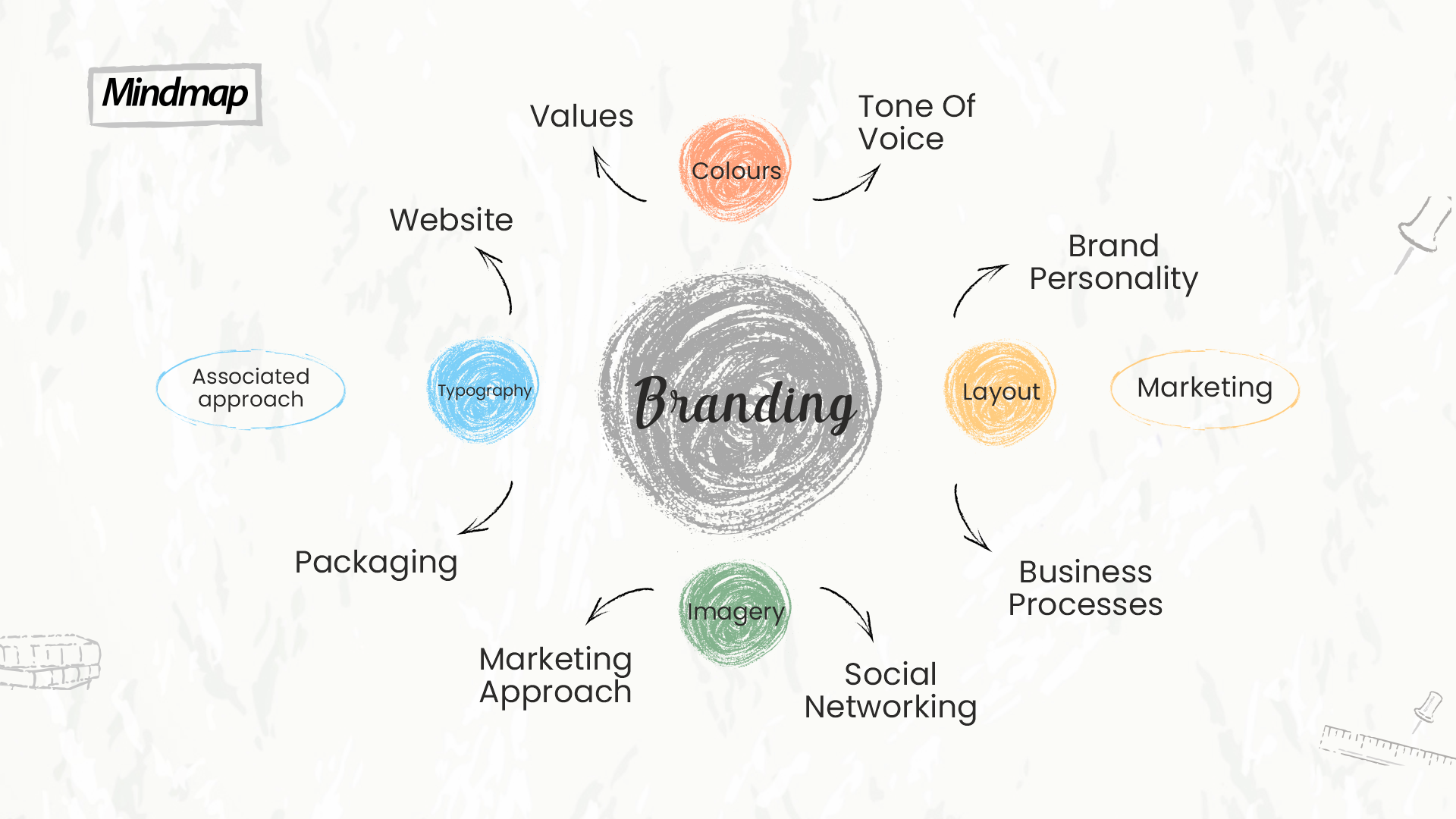
Modern brands use a full set of visuals. This includes the colors they prefer, the typefaces they pick, the style of photos or illustrations and even how they arrange things on a page. When these elements remain consistent, the brand becomes recognisable even without showing the logo. You can often guess who created something simply by the way it looks or the mood it carries.
Nowadays brands show up in many places. It could be a social media post, the way the website loads, the packaging you open at home, or even the way the support team answers a call. When these feel connected, it creates a calm reliability. The brand feels complete. But when they feel disconnected, something feels off and people notice that too.
A good brand makes you feel something. It might be comfort, reassurance, excitement or familiarity. When this emotion stays the same across every interaction, people begin to trust the brand even more. Over time, this emotional memory becomes stronger than any visual element.
People can sense when a brand is being genuine. They pay attention to how the brand responds to problems, how openly it communicates, and whether it treats its customers with respect. A brand that is honest and consistent creates deeper loyalty compared to one that only looks perfect on the outside.
When any brand is treated as a full ecosystem instead of it just being a logo, every single thing feels more connected and it makes brands appear more trustworthy. People recognize the brand not just by how it looks, but by how it behaves, speaks and shows up in different situations, which makes the relationship feel more natural. This makes it easier to build loyalty because the experience is consistently pleasant whenever someone encounters it, and the brand can even evolve visually without losing its essence. But this approach also comes with its own challenges. For a brand to establish itself so concretely, it takes time for all the pieces to settle into place, and every team needs to stay aligned so the tone, visuals and experience don’t drift in different directions. All of these require constant attention, and when a brand grows quickly, it can be easy for the ecosystem to feel scattered if no one is guiding it. Still, for most brands, the long term stability and trust makes the effort worth it.
Branding is not a single design or a single moment or a single gesture. It is a slow build up of impressions, emotions and experiences that stay with people long after the logo disappears from sight. So when a brand treats its identity as a living ecosystem instead of treating it as a one time design project, it becomes easier for people to connect with it. The logo still matters, but it becomes just one part of a much richer story.
