
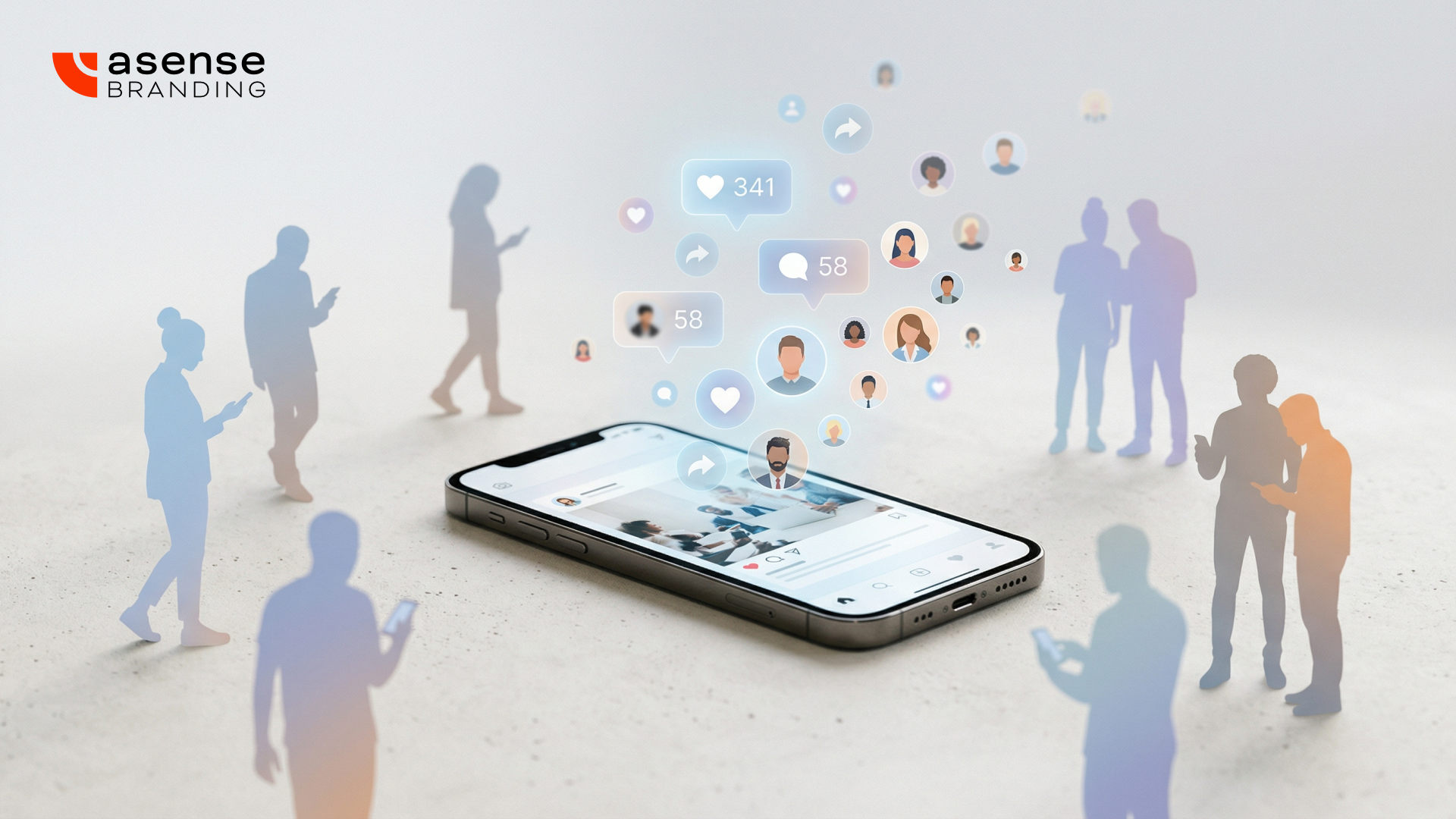
Open YouTube, Instagram or TikTok right now and scroll for 30 seconds. Chances are, most of the content that actually stops your thumb wasn’t made by a regular person with a ring light and an honest opinion. That’s UGC in action. And in 2026? It's not a trend. It’s the new standard.
UGC - Short for User-Generated Content is any content (videos, photos, reviews, unboxings,testimonials,reels,tiktoks,you name it) created by the real people rather than the brand itself. It could be a customer who loved their new skincare purchase and filmed a 30-second review. Or a creator hired specifically to produce authentic feeling for a brand to run us an ad.
Yes, there’s a distinction worth knowing:
Organic UGC is created freely by real customers to make content that looks and feels native but is strategically used in ads, product pages, or social feeds.
Both are powering brand growth in 2026 in a massive way.
The Numbers That Make Marketers Stop Mid-Meeting
Here’s what the data looks like in early 2026 and these aren’t fully projections, they are current benchmarks:
Ads featuring UGC see four times the click through rate of traditional ads. Pages with customer content convert 74% higher than those without. And 40% of shoppers say they will not complete a purchase if there is no UGC on the product page.
The last one is the gut punch. Almost half your potential conversions walking away because no one vouched for you. Think about that.
The short answer: trust is the rarest currency on the internet, and UGC is one of the few
things that still earn it. But there are a few specific reasons why 2026 feels like a tipping point.
1. AI Content Has Flooded Everything
Ironically, the rise of AI-generated marketing is one of the biggest reasons UGC is winning. As AI-generated content becomes more common, the value of verified human content increases. UGC provides a necessary human signal; it serves as “proof of life” for a product. A simple video of a consumer using a product verifies its physical existence isn't dumb. They can feel the difference between a polished script and a genuine reaction.
2. GenZ trusts people not Ads.
Gen Z has basically a built-in-add-immunity superpower. Overly produced content? Skipped celebrity endorsement? Eye roll. But a real creator sharing an honest unboxing at their kitchen table? That lands. Modern consumers, especially GenZ, can sniff out inauthentic or “salesy” content in seconds. Raw, unpolished content often outperforms meticulously edited commercials. Authenticity isn't a strategy for a GenZ, it's a filter.
3. AI search is now pulling UGC into Answers.
This one’s a game changer that most brands haven’t caught up with yet. AI shipping agents and search tools are scanning review text, customers posts, and community discussions to help users evaluate products. If your product has great UGC -detailed reviews, real testimonials AI assistants are citing that content to shoppers. Your UGC isn’t for instagram anymore. It’s feeding the new search ecosystem entirely.
4. Short-Form Video Is Now the Default Format.
TikTok, Instagram Reels, and YouTube Shorts have completely normalized short, vertical, low production video. Through reels, stories and unboxing videos, real users sharing their experience with a product have more powerful influence than ever before. And because this format costs creators almost nothing to produce, the supply of great UGC is higher than it’s ever been.
Rare Beauty & The Ordinary Product Seeding at scale
Beauty brands like Rare beauty and The Ordinary have been sending products to large groups of creators and giving direction , but not controlling every detail. Some creators keep things simple, others try something different, and that mix is what makes it works. Instead of relying on one influencer, brands end up with dozens of variations that feel natural on feed. The result is hundreds of authentic first-impressions videos circulating simultaneously.
Luluemon’s - still dominating in 2026.
Lululemon encourages customer to tag workout photos with #the sweatlife, then curates the best across social accounts, websites and stores. This UGC strategy taps into what customers already do by sharing fitness journeys online. By amplifying those posts, lululemon builds brand loyalty while generating a constant supply of cost-effective, authentic content. The hashtag continues to drive thousands of new posts monthly in 2026.
The "Instagram made me buy this” Ad format
Many ecommerce brands run TikTok ads that start with hooks like "I didn't expect this to work” or "Instagram made me buy this”, even though they are paid placement. The content feels native, which is why it performs. This blurred line between organic and paid is one of the defining content strategies of 2026 and it’s working because it respects platform culture.
Where Does UGC Live? The Platform Breakdown.
Every platform has developed its own UGC culture in 2026 and it’s worth knowing the difference.
TikTok’s trend points toward “Brand Chem”, which emphasizes brands participating in community culture often powered by working with the many niche creators. Youtube has shifted towards ‘Digital Frenchise’, where brands build a narrative and initiative audiences to create UGC that expands the story. Pinterest in 2026 lean toward “ Slow UGC” content that is curated and aesthetic, showing how the product can be styled or repurposed.
And the thread is becoming impossible to ignore. In early 2026. Threads crossed 141.5 million mobile daily active users, surpassing X’s 125 million on mobile for the first time. The algorithm feed is leaning towards conversion and replies rather than pure reach posts that get comments and replies are the ones that grow. For brands, UGC that sparks real conversion is especially powerful there.
UGC Creator vs. Influencer: What's the difference?
Here’s something a lot of people are still fuzzy on: a UGC creator is not the same thing as an influencer.
An influencer posts to their own audience. A UGC creator makes content that the brand uses in their ads, on their website , across their own social channels. You don’t need 100k followers to be a UGC creator. You need a phone, decent lighting, and the ability to be genuinely real on cameras.
Micro and nano influencers are gaining popularity because they drive higher engagement and offer better cost efficiency than influencers with massive followings. Micro influencers achieve about 20% higher conversion rates than larger influencers, the game has shifted from broadcasting to belonging.
The bottom line:
UGC isn’t a marketing hack or a moment. It’s a fundamental shift in how trust is built online. In an era where AI generates infinite polished content and ad fatigue is at an all time high, the most valuable thing a a brand can have is a real person saying “this actually change things for me “ into their phone camera
UGC is not just content, it’s an infrastructure. Brands that incorporate customers' created content build trust and credibility at scale. The brands winning in 2026 are the ones tearing it as a system: sending products, building creator communities, recycling content across channels, and letting authentically do the heavy lifting that a polished ad campaign never could.
Whether you are a brand trying to cut through noise or a creator looking to build a career without needing a million followers, UGC is your lane. Get in it.
