
Most people think packaging is the outer layer, simply a wrapper or a box and people normally mistake it as something functional. But the truth is a little more than just that. Packaging is often the reason a product gets picked up in the first place. Before someone reads ingredients, compares prices, and even thinks logically, they react visually, as that’s the very first thing on your product. And that reaction is where the packaging design affects the perceived product value.
We do not walk through stores doing deep analysis, we just scan, judge fast, and definitely assume quality based on appearance. If something looks premium, we assume it is premium and if something looks careless, we assume the product inside might be careless too. That assumption may not be fair, but let's face it, it is real. And that is exactly why understanding the way in which packaging design affects its perceived product value is not optional for brands anymore.
There is something about the first three seconds. That is usually all a product gets. In those seconds, color, layout, spacing, and structure decide whether someone pauses or moves on. A cluttered design creates mental friction whereas a clean design feels easier. Now, that ease builds comfort.
This is where the role of packaging design in brand perception and buying decisions becomes visible. If a brand claims to be modern but uses outdated graphics, the mismatch creates a doubt. If a product claims luxury but feels lightweight and fragile, trust drops slightly. And trust, even a small crack in it, affects buying decisions.
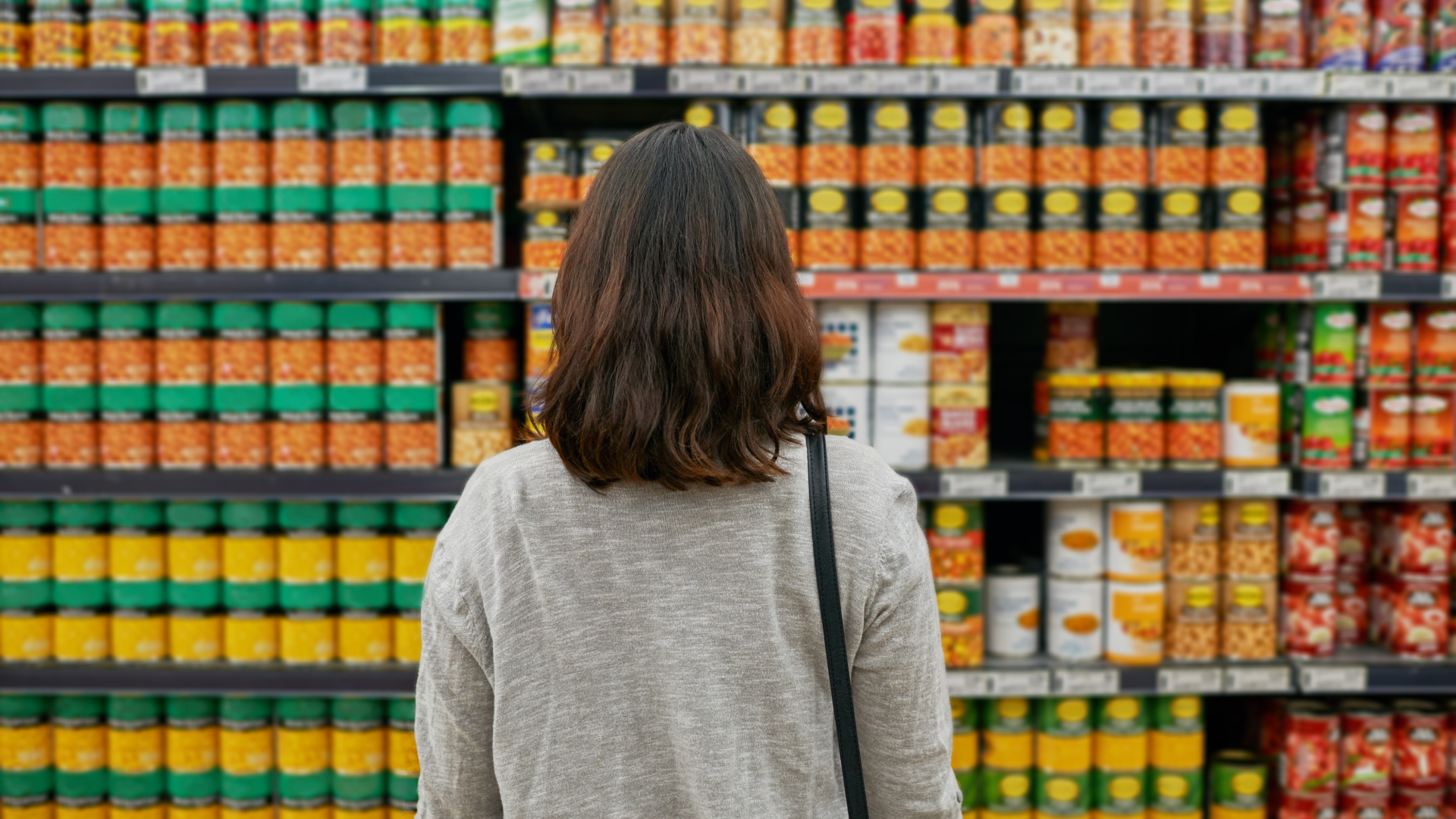
People love to say impulse buying just happens. Well, it does not; it is triggered. Retail environments are crowded, shelves are noisy, colors compete aggressively and yet some products still stand out, that is not an accident, it is the packaging done right.
Understanding how packaging design influences impulse buying in retail stores is about understanding interruption. Sometimes a bold contrast, an unusual shape, a tactile surface, or anything that breaks visual repetition attracts people. When packaging interrupts the flow of a shelf the brain notices.
I once watched someone choose between two similar products. They did not read labels carefully. They just held both, one felt sturdier and that was enough to decide. That moment alone explains how packaging design influences impulse buying in retail stores in real life.
Here is something interesting. The experience starts before the product is opened. The thickness of the box, the alignment of text, the finishing and even the sound when a box opens, all of this shapes expectation. And expectation shapes satisfaction.
That is the psychology behind the way in which packaging design affects perceived product value. When packaging feels thoughtful, the product feels thoughtful. When packaging feels rushed, the product feels average. The inside may be identical across competitors, but perception rarely is. Brands that understand this rarely compete on price alone; they compete on perception.
There was a time when eco-friendly packaging felt like a bonus. Now it feels like a standard. Consumers notice excessive plastic and unnecessary layers. They notice when brands make genuine efforts toward responsible materials.
The impact of sustainable packaging on consumer purchase intention is growing every year. Especially among younger audiences. But here is the nuance, sustainable does not mean plain and neither does it mean cheap-looking. When done right, sustainable packaging can actually enhance the packaging design and affect perceived product value. Natural textures, minimal ink usage, recycled finishes can feel intentional and premium. When done poorly, though, it feels like cost-cutting and that difference is critical. And that is why the impact of sustainable packaging on consumer purchase intention must be considered strategically, not superficially.
For a branding agency, packaging is not a side project. It is brand identity in physical form. Logos, typography, colors, spacing, material choices, all come together here. The role of packaging design in brand perception and buying decisions becomes strongest at this point because packaging is where brand promise meets physical reality. If a brand positions itself as high-end, everything from the weight, texture, precision to even negative space must support that. When these elements align, perceived value increases naturally. When they do not align, customers feel it and hence your product’s perceived value declines.
In physical retail, shelf impact matters most. That is where packaging design influences impulse buying in retail stores. Visibility and distinction are crucial. In e-commerce, the game shifts slightly. Here, the unboxing experience carries emotional weight. Packaging must protect but it must also deliver a moment. A small sense of anticipation and a sense of care. Even online, packaging design affects the perceived product value. A well-designed package arriving at someone’s door reinforces trust however a poorly protected or generic package just weakens brand memory.
Weight. Texture. Finish. Structure. These seem small but they compound. Soft-touch surfaces feel premium. Embossed logos create interaction. Clean typography reduces cognitive effort. Clear hierarchy makes information digestible.
Now, none of these are random design decisions. They directly connect to the role of packaging design in brand perception and buying decisions. Reduced effort increases comfort and increased comfort in turn increases likelihood of purchase. When consumers do not have to struggle to understand a product, they are more open to choosing it.
Packaging does not only influence first purchase, it influences repeat purchase. Convenient resealable pouches. Easy-pour bottles. Sturdy containers that do not break. All these functionalities quietly build loyalty. And when sustainability is integrated meaningfully, the impact of sustainable packaging on consumer purchase intention continues beyond a single transaction. It strengthens brand alignment with values. Over time, this consistency reinforces how packaging design affects perceived product value again and again.
Buying decisions are emotional before they are rational. Packaging speaks directly to that emotional layer as it signals quality, trust and also shows whether something belongs in a premium category or a budget one. Understanding how packaging design influences impulse buying in retail stores, recognizing the impact of sustainable packaging on consumer purchase intention, and mastering the role of packaging design in brand perception and buying decisions are not optional strategies; they are competitive advantages.
Because in the end, packaging is not just holding a product. It is shaping the decision before the decision is consciously made. And that is where real influence happens. So if you want to discover how effective your packaging is, converse with us and elevate your experience of branding with us.
